No products in the basket.
Lameness is one of the most costly health issues affecting dairy farms in the UK and Ireland. Beyond the obvious welfare concerns, lameness has significant financial and time-related consequences. It impacts milk production, fertility, veterinary costs, and labour efficiency. In this blog post, we’ll break down the direct and indirect costs of lameness, estimate its overall economic burden, and explore how farrmers can reduce these costs through proactive management.
The Economic Impact of Lameness
Lameness is a widespread problem, with studies estimating that between 25% and 35% of UK and Irish dairy cows suffer from some degree of lameness at any given time. Each lame cow represents a financial burden, with costs adding up from lost milk production, treatment expenses, and increased culling rates.
Average Cost Per Lame Cow
The cost of lameness varies depending on the severity and type of lesion, but on average, each case of lameness costs between £180-£550 (€210-€640) per cow.
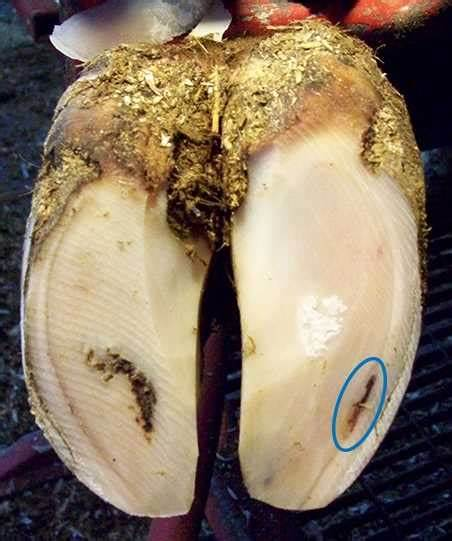
Here’s a breakdown of the estimated cost per case for different types of lameness:
| Condition | Cost per Case (£) | Cost per Case (€) |
| Digital Dermatitis | £80-£120 | €90-€140 |
| White Line Disease | £200-£350 | €230-€400 |
| Sole Ulcer | £300-£550 | €350-€640 |
| Severe Chronic Lameness | £500+ | €580+ |
These costs include treatment, reduced milk yield, fertility losses, and additional labour time.
Annual Cost to a Dairy Farm
For a 100-cow herd with a 30% lameness prevalence, the annual cost of lameness could be:
• Best-case scenario (mild cases): 30 cows × £200 = £6,000 (€7,000) per year
• Worst-case scenario (severe cases): 30 cows × £500 = £15,000 (€17,500) per year
Across the UK and Ireland, the dairy industry loses millions annually due to lameness-related losses.
The Hidden Costs of Lameness
While direct costs like vet bills and lost milk yield are easy to measure, indirect costs often go unnoticed but can be just as significant.
1. Reduced Milk Production
• Lame cows produce 200-600 litres less milk per lactation due to pain and stress.
• At 40p per litre, this results in a £80-£240 (€90-€280) loss per cow.
2. Fertility and Reproductive Issues
• Lame cows have longer calving intervals, delaying pregnancies and reducing overall productivity.
• Heat detection is harder because lame cows show less oestrus behaviour.
• This can lead to higher artificial insemination (AI) costs and reduced conception rates.
3. Increased Culling and Replacement Costs
• 20-30% of culls are due to lameness.
• The cost of replacing a culled cow is around £1,200-£1,800 (€1,400-€2,100).
• Preventing even one unnecessary cull per year saves significant money.
4. Increased Labour and Time Costs
• Extra time spent catching, treating, and monitoring lame cows reduces farm efficiency.
• Treating a single case can take 30-60 minutes, plus follow-up care.
• Large herds may require dedicated staff or contractors for hoof trimming, adding further costs.
Time Costs: How Much Time Does Lameness Management Take?
Managing lameness is labour-intensive, especially for farms with high prevalence.
| Task | Time Required Per Cow |
| Mobility scoring (weekly) | 1-2 minutes |
| Hoof trimming (3-4x/year) | 10-15 minutes |
| Treating a lame cow | 30-60 minutes per case |
| Foot bathing (setup & admin) | 20-30 minutes per session |
| Record keeping & monitoring | 5-10 minutes per week |
For a 100-cow herd, this can add up to several hours per week, taking time away from other essential farm tasks.
How Can Farmers Reduce Costs?
The good news is that effective lameness management significantly reduces costs. Investing in prevention and early treatment can save thousands per year.
1. Early Detection and Regular Mobility Scoring
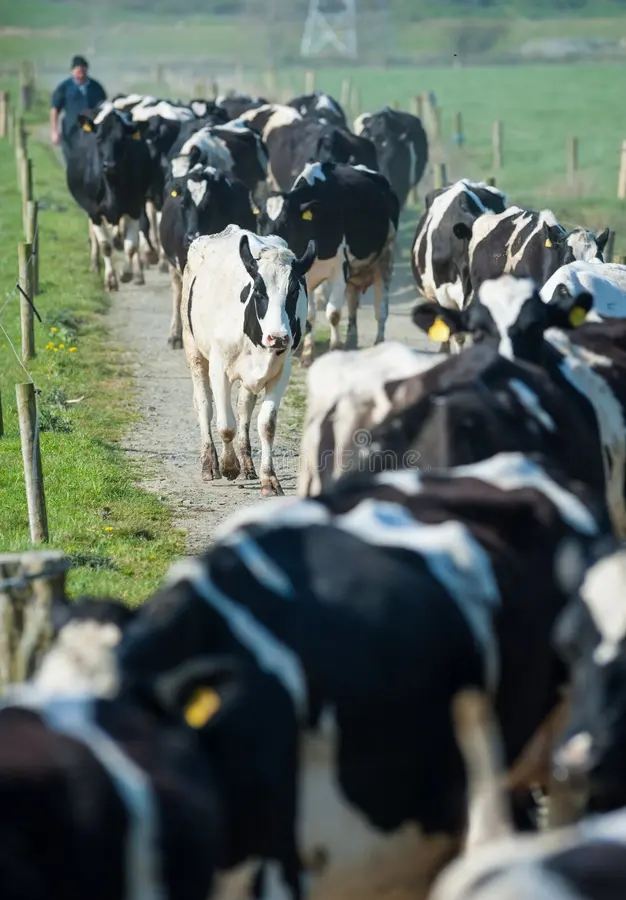
• Identifying lameness early reduces treatment costs and improves recovery rates, using EDPET (Early Detection, Prompt Effective Treatment)
• Mobility scoring every 2 weeks helps track problem cows before conditions worsen.
2. Routine Hoof Trimming
• Professional hoof trimming 3-4 times a year prevents lesions and overgrowth.
• Costs around £10-£15 (€12-€18) per cow per trim, but saves in the long run.
3. Good Housing and Flooring
• Dry, clean, and well-bedded cubicles reduce foot damage.
• Investing in rubber matting in high-traffic areas lowers the risk of injury.
4. Foot Bathing and Preventative Care
• Regular foot bathing (3-5 times per week for high-risk herds) helps prevent digital dermatitis.
• Using copper/zinc sulfate, or commercial hoof solutions improves hoof health.
5. Nutrition and Hoof Health
• Diets rich in biotin, zinc, and essential minerals improve hoof strength.
• Avoiding sudden dietary changes prevents metabolic conditions linked to lameness.
6. Staff Training and Education
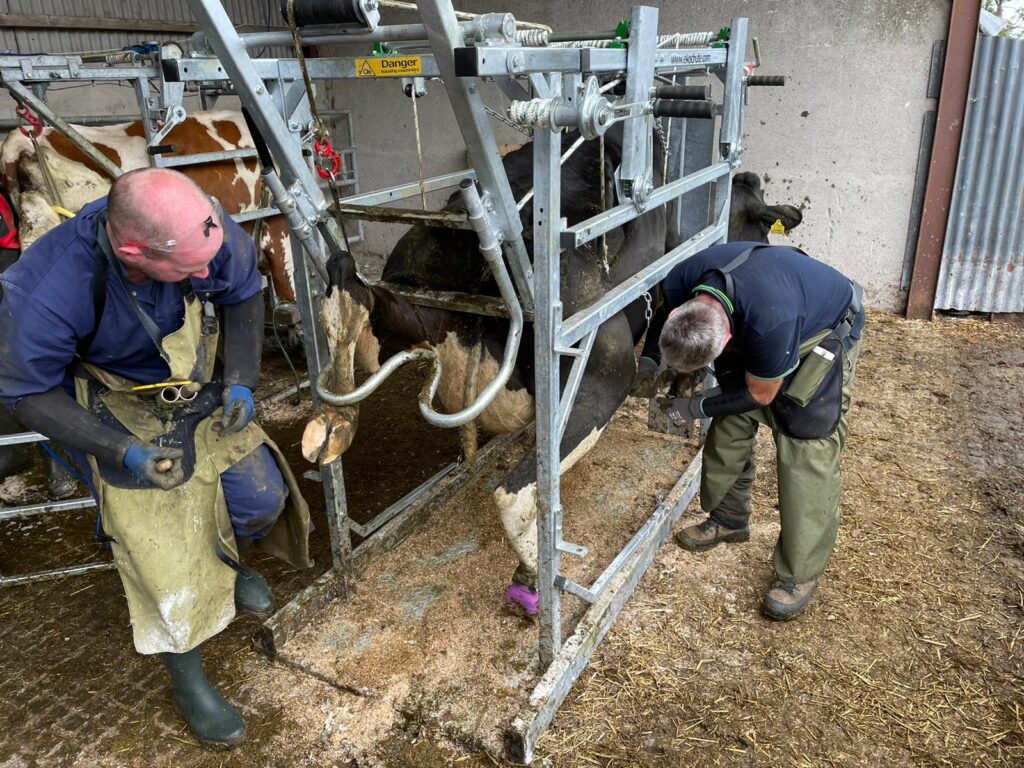
• Training farm staff in early detection, hoof trimming, and lameness treatment can save time and money.
• Participating in DairyCo Healthy Feet Programme or Teagasc lameness training helps farmers manage costs better.
Conclusion: Investing in Prevention Saves Money
Lameness is a major economic drain on UK and Irish dairy farms, costing hundreds of pounds per cow each year. The key to reducing these losses is early detection, preventative management, and staff training. By investing in good housing, routine hoof care, and mobility scoring, farmers can significantly cut both financial and time costs associated with lameness.
Key Takeaways:
✔ Each lame cow costs £180-£550 (€210-€640) per case
✔ A 100-cow herd can lose £6,000-£15,000 (€7,000-€17,500) annually
✔ Early detection and good management reduce treatment costs and culling
✔ Investing in prevention saves time, money, and improves cow welfare